How did this week's content land for you?
Assignment
Due: March 10, 2026
- Take inspirations from all the visual cultures we’ve seen in class, discuss within your group and revise your Collective Proposal (read more here) one last time into artifacts (Posters, Zines, Websites…).
- Think about how you can use design and visual communication to effectively convey your message and engage your audience. What best represents your proposal? What kind of visual language can you use to make it more compelling and memorable? Make sure this is a collective effort, and that everyone in your group contributes to the creation of the artifacts, and that the final product reflects the ideas and perspectives of all group members.
- Only one of you needs to submit the proposal on behalf of your group, but make sure to include all group members’ names in the submission form. Please bring all the artifacts and materials to class, and prepare to share them with your peers.
- We will have a mini exhibition in class to showcase everyone’s work and reflect on the process of creating a collective proposal.
- Read Work (Even the Creative Kind) Won’t Love You Back and reflect on the following questions in your personal notebook, and preapre to discuss them in class:
- Do you agree with the author’s argument that the idea of “doing what you love” can be harmful to creative workers? Why or why not?
- How does the expectation of passion and fulfillment in creative work affect the mental health and well-being of artists and other creative workers?
- What are some alternative ways to approach creative work that do not rely on the idea of “doing what you love”? How can we create a more sustainable and supportive environment for creative workers?
In-Class Activity
Other Resources
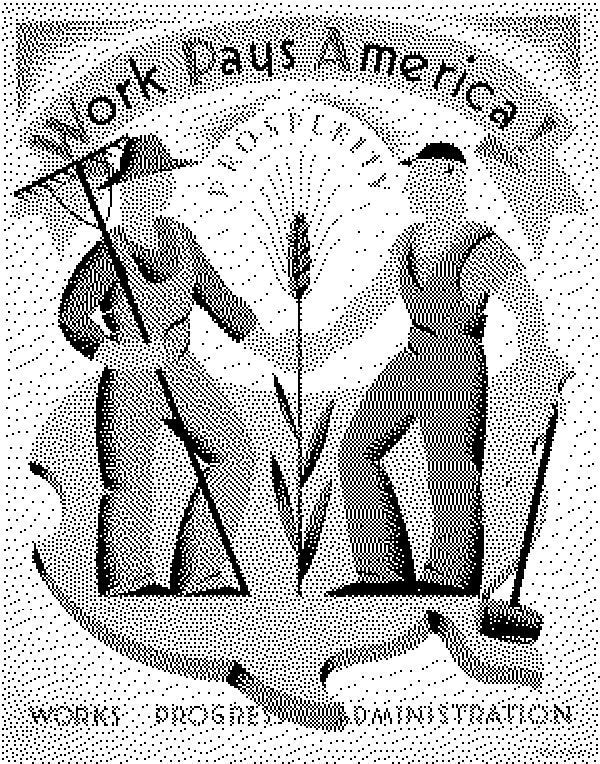
- The WPA Posters Archive - Library of Congress
- The Great Depression Explained - Crash Course
- The New Deal - Crash Course
- The ‘starving artist’ vs ‘the sell-out’ – the struggle of the creative worker
- A Hunger Artist - Franz Kafka
- Constructivist Posters - International Poster Gallery
- Design Fuel for the Neoliberal Fire - Design Research Society
- CEO pay declined in 2023 - But it has soared 1,085% since 1978 compared with a 24% rise in typical workers’ pay